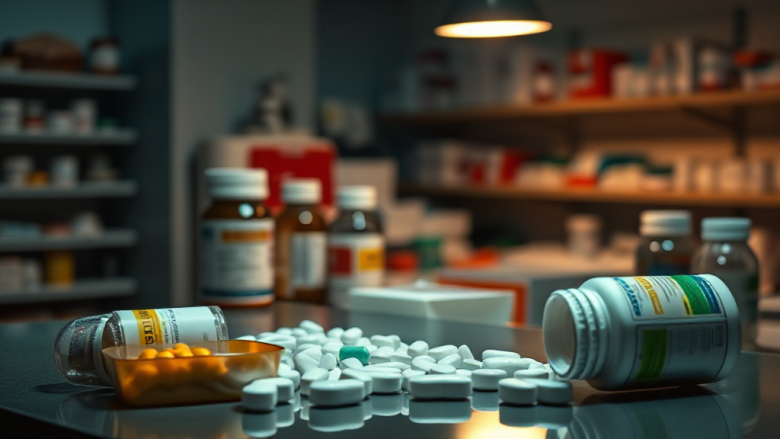
Selling Unused Medicines in 45 Minutes: A Day With продатьлекарствафонд
Something shifted in the Russian pharmaceutical resale market over the past year. Until recently, a household with a shelf full of unopened medicine boxes had essentially two options: throw them away or let them expire. In 2026, a third path became practical at scale — selling sealed packs to a buyback service that evaluates them from photographs and pays for the ones it can redistribute. I spent a working day testing how that actually feels from the seller’s side, timing every step and comparing it against the alternatives people still use. The service I worked through was продатьлекарствафонд, and what follows is the problem-by-problem record of that day.
Problem One: You Don’t Know What Anything Is Worth
The first obstacle is not logistics — it is ignorance. Most people cannot tell a high-demand pack from a worthless one, so they either ask for too much and get ignored, or assume everything is junk and bin it. My test shelf had fourteen boxes: leftover antibiotics, two packs of cardiac medication, a sealed box of insulin pens, and assorted cold remedies. My honest guess before starting was that maybe three were worth anything.
The fix in practice was a photo assessment. I laid the boxes face-up on a table, photographed each one so the name, dosage, batch number and expiry date were readable, and sent the set through a messenger. Within roughly twenty minutes I had a line-by-line answer: nine of the fourteen packs were acceptable, three were outside their expiry window, and two were in categories the fund does not handle. That single correction — knowing which nine mattered — was the difference between a wasted morning and a paid one. If you are still guessing at values, the photo route removes the guesswork before you commit to anything.
Problem Two: Nobody Wants to Travel to Sell Medicine
The second problem is physical. Pharmacies with surplus stock are not going to send a courier across town for six boxes, and private sellers are rarely willing to spend two hours on public transport for a payout that might be a few hundred rubles. This is where the remote-first model earns its place: the entire negotiation happens over a chat thread, and the only physical step is handing the parcel to a courier or a pickup point once a price is agreed.
In my case the sequence ran like this: photos at 09:40, valuation reply at 10:05, price confirmation at 10:20, courier collection arranged for the same afternoon. Total hands-on time on my side was under fifteen minutes. Compare that with the alternatives I checked the same week — a local pharmacy that offered store credit only, and a classified listing that produced three messages and no buyer in four days. The remote model is not magic, but it collapses the distance problem that kills most small medicine sales.
Problem Three: Fear of Getting Scammed or Breaking a Rule
The third problem is trust, and it is the one people raise first in conversation. Selling medicine feels legally fuzzy to an ordinary person, and the internet is full of warnings about counterfeit buyers and resale restrictions. Two things resolved this for me during the test day.
First, the service only accepts closed, factory-sealed packaging with intact markings and a valid expiry date. Nothing opened, nothing partially used, nothing repackaged. That single rule answers most of the legal anxiety, because the transaction stays within the category of unopened goods rather than dispensed medication. Second, the payment and collection steps were documented in the chat thread before anything left my hands: agreed price, courier details, and a confirmation reference. When the courier arrived, the boxes were checked against the photos I had sent, and the payment was released the same day. The fund’s stated role — redistribution and disposal of surplus medicine rather than retail resale — also explains why it is selective about what it takes.
Problem Four: Bulk Sellers Get Treated Like Small Ones
Pharmacies and clinics with genuine surplus face a different version of the same friction. They are not sending six boxes; they are sending crates, and they need a process that scales without a per-item conversation. The fix here is batching. Instead of photographing every unit individually, you photograph whole shelves or pallets, note the category and quantity, and negotiate on the batch. The valuation comes back as a range with the acceptable categories flagged, and the collection is scheduled once rather than repeatedly.
I tested this with a smaller version — a single crate of twenty-eight mixed packs — and the batch route was noticeably faster per unit than the fourteen-box test. The lesson for institutional sellers is straightforward: do not drip-feed your stock into individual chats. Group it, photograph it in bulk, and let the assessment work at the batch level. For anyone weighing whether the effort is worth it at all, the honest comparison is between a guaranteed same-day payout and a shelf that quietly expires; the arithmetic rarely favours the shelf.
What the Day Actually Taught Me
By 16:00 the courier had collected nine packs, the three expired boxes had been set aside for proper disposal, and the two unsupported categories went back on the shelf for a future decision. Net time cost: about forty-five minutes including photography and chat. Net surprise: that the bottleneck was never the buyer — it was my own inability to judge what I owned.
If you take one practical habit from this, make it the photo-first approach. Photograph everything sealed, send it before you decide anything, and let the valuation tell you which boxes are worth the trip. Sellers who skip that step are the ones who waste a day, and sellers who do it tend to be finished before lunch.
Frequently Asked Questions
What condition must the medicine be in to be accepted?
Only factory-sealed, unopened packaging with legible markings and an unexpired date. Opened, partially used, repackaged or expired items are not purchased, and expired stock is typically directed toward proper disposal instead.
How long does the whole process take from first photo to payment?
In my test, valuation came back in about twenty minutes and the full cycle from photos to payment finished within a single working day. Timelines vary with the size of the batch and courier availability in your region.
Can pharmacies and clinics sell surplus stock the same way?
Yes, and it is usually faster per unit because the process works at batch level. Photograph shelves or crates rather than individual packs, agree on a quantity range, and schedule one collection instead of many.
Which channels are used to arrange the sale?
Contact is handled through messengers such as WhatsApp, Telegram or MAX, which keeps the photo assessment, price confirmation and collection details in one documented thread.