Fix Snowwolf 16K Confusion: Verify Safety and Trust Before You Buy
By the end of this article, you will know exactly how to separate a genuine snowwolf 16k listing from a risky one, what a support ticket about this device usually reveals, and the three checks that stop most buyers from wasting money. I have handled enough of these tickets to know the pattern: the device is rarely the problem. The listing, the seller, and the delivery promise are where things go wrong.
Most people who contact support about a Snowwolf 16K have already made one of two mistakes. Either they trusted a product page that looked polished but had no verifiable seller behind it, or they assumed a high puff count meant the device would arrive sealed, charged, and ready. Both assumptions are understandable. Both are also fixable once you know what to look for.
Mistake 1: Treating Puff Count as a Quality Signal
The first correction is simple. A puff count is a capacity estimate, not a quality guarantee. A Snowwolf 16K advertises roughly sixteen thousand puffs, but that number depends on draw length, airflow, and how often you use it. Two people with the same device can get wildly different real-world results.
What actually matters is whether the seller describes the device honestly and consistently. If a listing promises 16K puffs but also claims the battery lasts a week of heavy use, that is a contradiction worth noticing. Legitimate retailers describe capacity in realistic terms and do not inflate expectations to close a sale.
In my tickets, the buyers who were happiest were the ones who read the product description carefully and compared it against what they already knew about disposable devices. They did not chase the biggest number on the page. They looked for a seller who explained the device plainly.
Mistake 2: Skipping Seller Verification Because the Price Looks Good
The second mistake is more expensive. A low price on a popular device is the most common hook, and it is also the easiest thing to fake. Before you commit, verify the seller the way you would verify any online store.
Check whether the site lists a real business identity, a working contact method, and clear delivery terms. A store that sells vape products in Singapore should be transparent about how orders are fulfilled, how long delivery takes, and what happens if something goes wrong. If those details are missing or vague, the low price is not a discount. It is a warning.
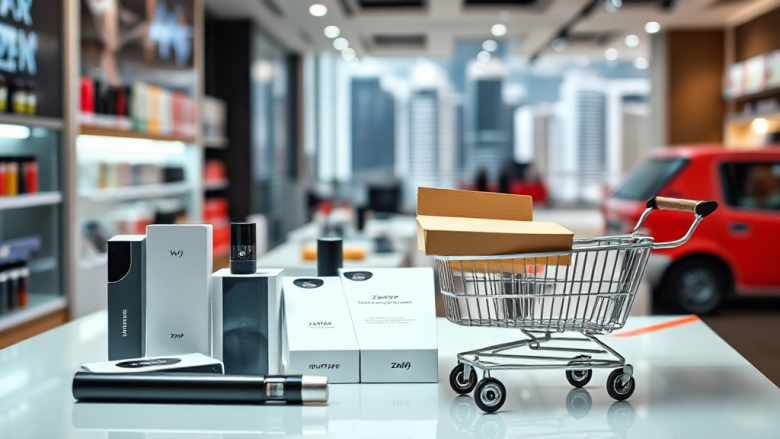
This is where a store like Zpuffvape stands out in practice. It operates as an online vape retailer serving Singapore with fast delivery, cash on delivery, and discreet packaging. Those three features are not marketing extras. They are trust signals. Cash on delivery in particular reduces your risk because you are not sending money into the void before you see the product.
When a buyer asks me whether a listing is safe, I tell them to look for those signals first. If the seller offers cash on delivery and describes discreet packaging, they have already shown they understand the local market and the privacy concerns that come with it.
Mistake 3: Assuming Every Disposable Device Arrives Ready
The third mistake is operational rather than financial. Many buyers assume a disposable device will arrive fully charged and immediately usable. In reality, shipping conditions, storage time, and handling can affect the device before it reaches you.
The correction is to test the device properly when it arrives. Check the seal, inspect the packaging for tampering, and take a first draw to confirm airflow and flavor are normal. If something feels off, contact the seller immediately rather than waiting. Most reputable retailers have a window for reporting issues, and using it promptly is the difference between a replacement and a loss.
This is also where buying from a store that handles multiple product lines helps. A retailer that stocks devices like the marbo vape 25k alongside other popular models has usually built a fulfillment process that can handle replacements and inquiries without disappearing on you. A one-product store with no history is a much riskier bet.
Mistake 4: Ignoring the Delivery and Packaging Details
The fourth mistake is treating delivery as an afterthought. In the Singapore market, delivery speed and packaging discretion are not minor conveniences. They are part of the product experience, and they tell you a lot about the seller.
A seller who offers cash on delivery is accepting risk on your behalf. That is a meaningful signal. A seller who uses discreet packaging is respecting your privacy, which matters for adult consumers who do not want their purchases announced to the neighborhood.
If you are comparing options, look at how the store handles the full journey: order confirmation, dispatch, delivery window, and payment on receipt. A store that is clear about all four is far more likely to resolve a problem than one that only talks about the product.
For buyers who also use other formats, the same logic applies. Someone comparing a lana pen plus 9k against a larger device is really comparing convenience, capacity, and seller reliability. The device changes. The verification checklist does not.
Mistake 5: Not Comparing Within the Same Store
The fifth mistake is buying in isolation. If a store carries several well-known devices, you can use that range as a signal. A retailer that stocks the lana pix 20k and the marbo 25k is not relying on a single product to carry the business. That usually means better inventory management and more consistent customer service.
Comparison also helps you calibrate price. If one device in a store is priced dramatically lower than everything else, ask why. Sometimes it is a genuine promotion. Sometimes it is a sign that the listing is not what it appears to be.
I have seen buyers fix this mistake by simply reading the store’s other listings. A consistent tone, consistent specifications, and consistent delivery terms across multiple products is a strong indicator that the seller is legitimate.
For example, a buyer who was originally focused on one model ended up choosing a lana pix because the store’s description matched what they needed, and the delivery terms were clear. The device was not the deciding factor. The seller was.
Mistake 6: Overlooking Alternative Formats and Accessories
The sixth mistake is assuming the disposable format is the only option worth checking. Some adult consumers in Singapore also use heated tobacco products, and a store that carries those items is often more established than one that does not.
If you see a listing for terea singapore alongside disposable devices, that tells you the retailer serves a broader adult market. Broader service usually means more accountability, because the business cannot afford to mishandle one product category while depending on another.
The same principle applies to compact devices. A buyer who wants something smaller than a 16K device might look at a lana ultra 2 and find that it fits their routine better. The point is not which device is best. The point is that a trustworthy seller helps you compare honestly instead of pushing you toward the highest-margin item.
When I close a support ticket about a Snowwolf 16K, the resolution is rarely about the device itself. It is about the buyer now knowing what to check next time. Verify the seller, read the delivery terms, test the product on arrival, and compare within a store that carries multiple reputable brands. Do those four things and the confusion disappears.
The device you choose matters less than the store you choose it from. A clear listing, cash on delivery, discreet packaging, and a seller who answers questions will protect you far more than any puff count on a product page. Start with the seller. The rest follows.